
Home Elevators & Shaftless Lifts in Indiana
When stairs make it difficult to reach another floor, a home elevator may open up more of the space you already love. Total Access Mobility helps Indiana homeowners explore residential elevators and home lift solutions, including compact through-floor designs and options for different home layouts.
Every installation starts with the house and the people using it. We can discuss your goals, the floors you need to reach, access for a wheelchair or walker, available space, and what should be checked before choosing equipment. Contact us to explore appropriate solutions and the installation or ongoing service support that may be available for your project.
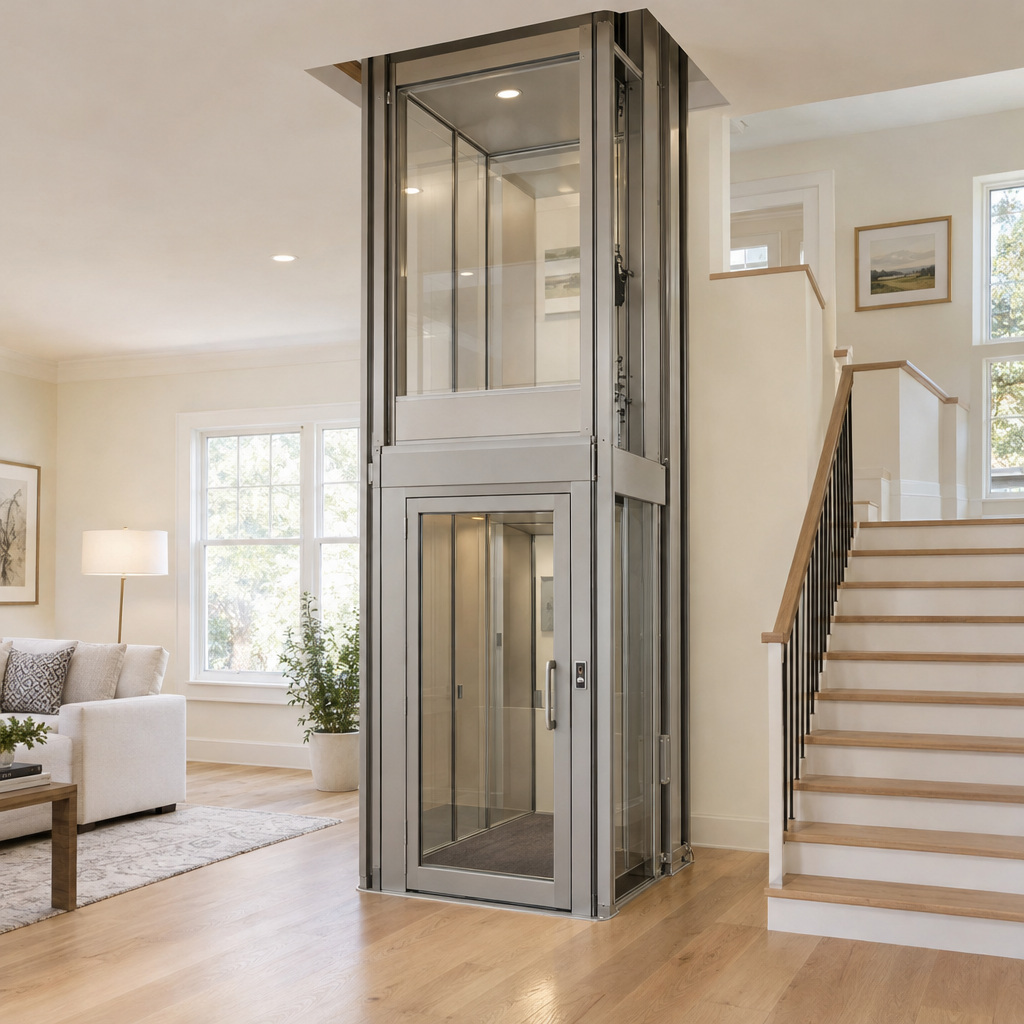
Which Type of Home Elevator Fits Your Home?
Residential elevators serve different needs. A two-stop home lift may connect a main floor and bedroom level, while reaching three or more stops typically calls for equipment designed for additional levels. Product design, site feasibility and actual available models determine your options.
Shaftless & Through-Floor Home Elevators
A compact through-floor elevator travels through a purpose-made opening between aligned levels. Many are intended for two stops without a conventional full-height hoistway. A floor opening, structural review and landing safety protections are still required.
Traditional Hoistway Residential Elevators
Some home elevators travel inside a dedicated shaft or hoistway with landing doors. Depending on the equipment, these systems may accommodate additional stops or different cabin layouts, with correspondingly different building and installation requirements.
Wheelchair-Accessible Home Elevator Configurations
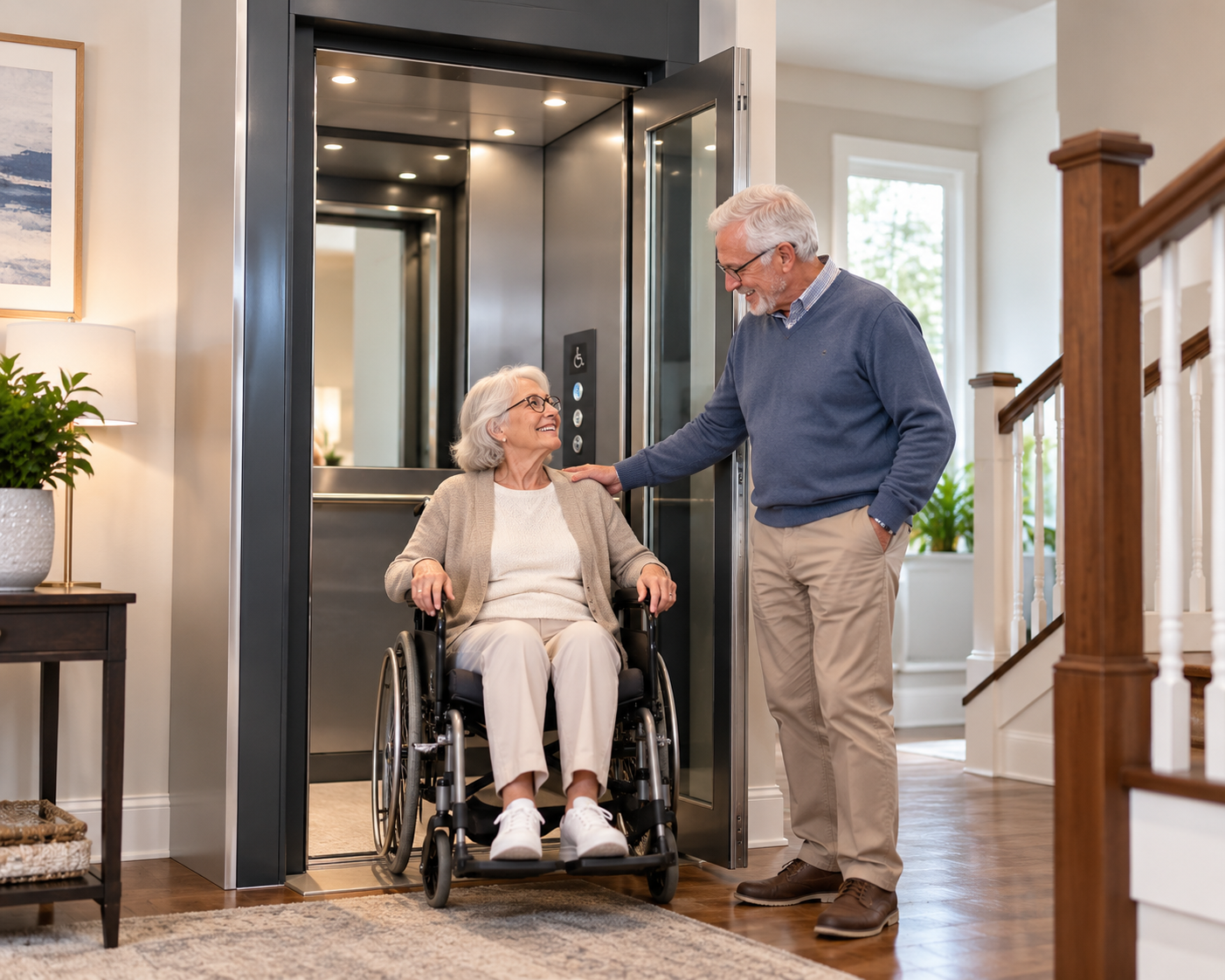
For a person who needs to remain in a wheelchair, usable cabin dimensions, door clearances, level access and turning or entry space can be more important than the product's outside dimensions. Not every compact model will accommodate every wheelchair.
Elevators for Existing Homes & New Construction
An existing home may need structural modifications, a suitable vertical route and electrical work. Planning early during new construction may make it easier to account for the elevator location, landings and surrounding rooms. Feasibility varies by home and equipment.
Pollock Shaftless Residential Elevator
Total Access Mobility has received Pollock residential elevator product information. The Pollock Residential Elevator is an example of a through-floor design built to connect two levels of a home. This manufacturer example is provided for comparison; current availability, an authorized sales or installation relationship and the exact configuration offered by Total Access Mobility have not yet been confirmed.
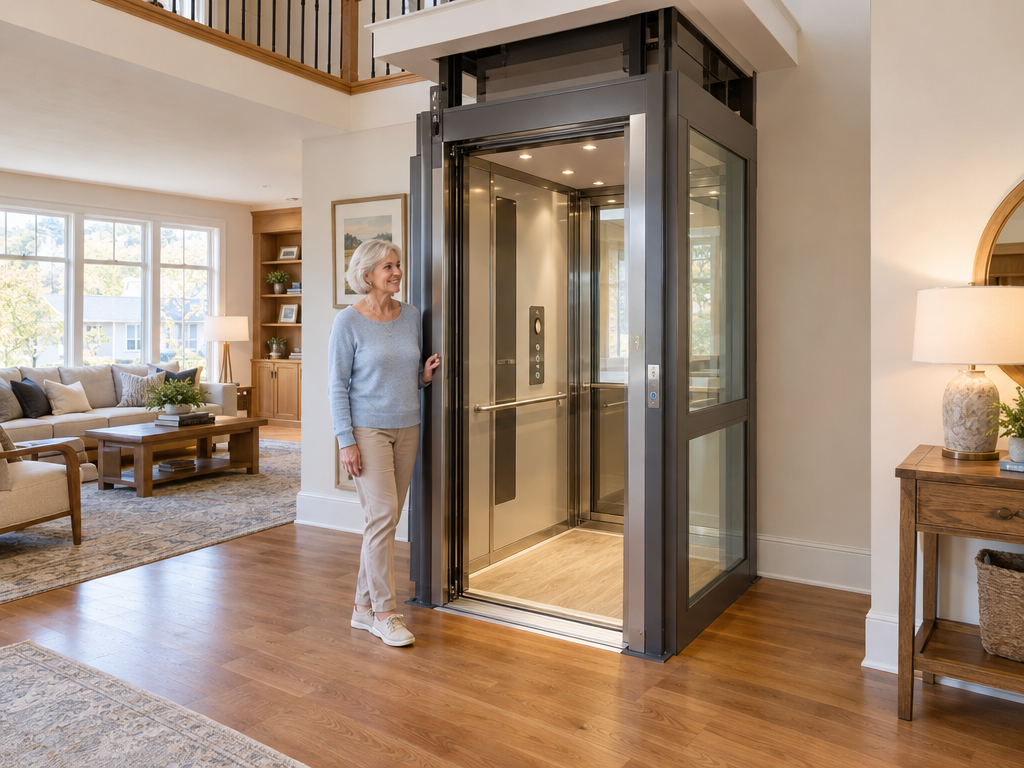
Compact Through-Floor Design
Pollock describes a self-contained residential elevator designed to travel between two vertically aligned floors without a conventional full-height hoistway. Its compact concept can be relevant when considering an existing-home retrofit, subject to professional assessment.
Cabin and Access Options
Pollock describes different cabin configurations and optional features. Whether a particular wheelchair, walker or additional passenger fits must be checked against the approved model's clear cabin dimensions, entrance and manufacturer occupancy limits.
Controls, Safety and Backup
The manufacturer describes cabin controls, monitoring and safety sensors, along with a battery-lowering function for certain power-loss situations. Battery lowering does not necessarily mean ordinary travel continues during an outage; confirm the selected model's exact safety and backup specifications.
The current Pollock Residential Elevator is a two-floor, two-stop design. It should not be represented as a three-stop elevator. Published specifications across brochure editions and outside sources differ, so exact capacities, dimensions, maximum travel and warranty coverage must be confirmed against the selected current manufacturer documentation before a quote.
COMPARE YOUR CHOICES
Shaftless vs. Traditional Home Elevators
If you need access between two floors
A suitable compact through-floor system may be worth exploring, especially when the intended landings align and room is limited. 'Shaftless' does not mean no construction, no floor opening or automatic approval for every house.
If you need three or more stops
Tell us every level you need to reach before discussing a product. A traditional or other specifically engineered multi-stop residential elevator may be more relevant than a two-stop through-floor unit. Additional floor stops cannot simply be added to an incompatible model.
If you use a wheelchair or mobility scooter
Compare the real clear cabin size and door opening with your specific mobility device and transfer needs. Also check turning room outside the elevator at every landing, combined permitted load, and the exact passenger arrangement.
If you are comparing an elevator with a stair or platform lift
A stair lift carries someone seated along stairs; a vertical platform lift commonly provides a powered platform for a shorter change in building-entry level. A home elevator is designed for cabin-based travel between floors. Their applications, space requirements and installation considerations differ.
Five Things to Check Before Planning a Home Elevator
Floors and stops.
Which levels must the elevator reach? Distinguish a two-story home from a requirement for two or three actual landing stops.
Space and access.
Look for a usable vertical route, compatible upper and lower landings, door swings and an approach that works for the person and any mobility device.
Cabin and passenger fit.
Review clear usable interior space, entrance width, operating controls, permitted total load and how the user enters or exits.
Structure and utilities.
A floor opening, support or shaft, electrical supply and coordination with construction professionals may be necessary. Never assume an elevator is a plug-in replacement for stairs.
Safety and ongoing care.
Check the selected product's landing protections, emergency communication, battery-lowering arrangements, operating instructions, maintenance and any applicable local approvals.
A brochure footprint is not an installation drawing. The final configuration should be based on the home, the equipment's current technical documentation and a qualified site review.
From installation to everyday use.
- Installation
- Repair
- Maintenance & inspections
Home Elevator Installation, Repair & Maintenance
Total Access Mobility offers home accessibility equipment consultation and installation, repair, maintenance and inspection-related services in Indiana. For a residential elevator, the specific equipment, installer or construction responsibilities, qualifications and service availability should be confirmed before work is scheduled.
Discuss Installation or Elevator ServicePlanning an Installation
A useful first conversation covers the property address or service area, the floors to connect, the likely elevator location, the expected users and whether the home is existing or being built. Photos or plans can help identify the right questions; they are not a substitute for the measurements and review needed before an installation decision.
Depending on the selected elevator and property, site preparation can involve floor framing, structural work, electrical power, landing protection and coordination with the appropriate building professionals. Final installation, testing and user orientation must follow the approved product and project requirements.
Home Elevator Service and Repairs
If you already have a residential elevator that needs attention, share the make, model and a clear description of the issue. We can confirm whether that particular equipment and requested repair, maintenance or inspection service fall within current capabilities.
Do not bypass an elevator's protective devices or try to force a lift that is not operating correctly. Routine preventive maintenance and any legally required inspection or testing are different activities; requirements depend on the equipment and property.
How Much Does a Home Elevator Cost in Indiana?
A home elevator is more than a cabin and drive system. The total installed price depends on which floors it connects, the type of elevator, the cabin and entry layout, and the amount of work needed to prepare the home.
Major quote factors may include two-stop versus multi-stop design, cabin dimensions and wheelchair suitability, a through-floor opening or a full hoistway, framing and structural alterations, electrical work, doors and finishes, equipment delivery, installation, safety requirements, and any applicable permit or inspection costs.
Existing-house retrofits can involve different construction demands from planned new homes. We don't publish a fixed installed price because it could misrepresent your project. A consultation can establish what information is needed for a meaningful estimate.
Serving Homeowners Throughout Indiana
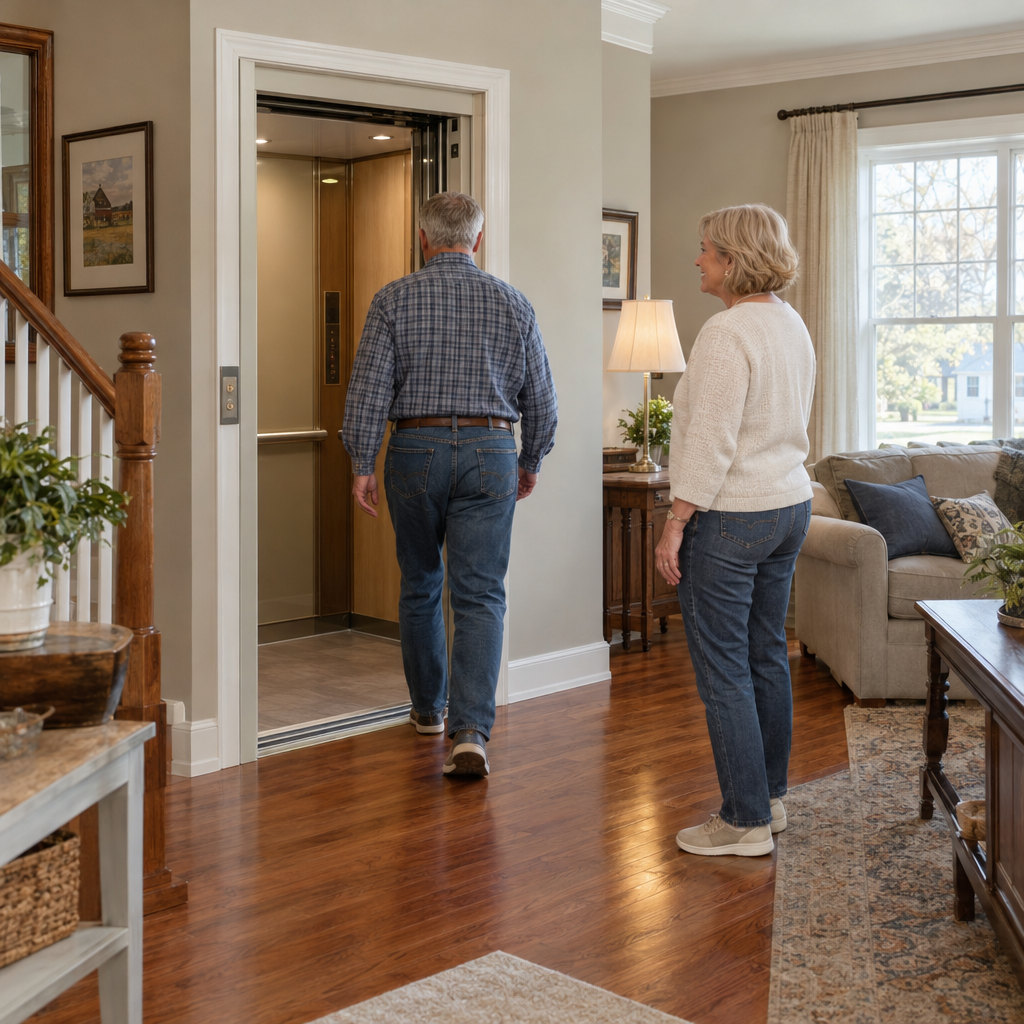
Total Access Mobility serves customers across Indiana, including Carmel, Fishers, Westfield, the Geist area and Indianapolis. Contact us about your property's location and the accessibility challenge you want to solve, whether you are planning a new residential elevator or discussing service for existing equipment.
Our focus is helping you explore home accessibility equipment and appropriate next steps. Exact elevator models, installation responsibilities and service scope will be clarified during your consultation.
Frequently Asked Questions About Home Elevators
What is a shaftless home elevator?
It is a residential elevator designed to travel between levels without a conventional enclosed, full-height shaft. Many use a purpose-made floor opening. Shaftless does not mean there is no construction, structural review or safety protection.
Can an elevator be installed in an existing two-story house?
Possibly. The main considerations are a usable vertical route, structural framing, clearances, access at each landing, electrical requirements and the chosen equipment. A house-specific assessment is needed.
Can a Pollock shaftless elevator stop on three floors?
The current Pollock Residential Elevator is designed for two stops on two floors. Some other elevator products are engineered for three or more stops, but Pollock's two-stop design must not be extended beyond its approved configuration.
How much room is needed for a home elevator?
There is no universal measurement. You must consider the elevator's outside footprint, usable cabin interior, door opening, travel path and landing space. Manufacturer specifications should be matched to your home's layout.
Can a wheelchair user remain in their wheelchair?
Some residential elevator configurations can accommodate a compatible wheelchair and occupant, but cabin size, entrance clearances, operating position and permitted total load must be checked for the exact product and device.
Is a through-floor elevator completely pitless?
Some designs avoid a conventional excavated pit. That does not eliminate the need for a prepared floor opening, anchoring, landing protection, appropriate structure or the manufacturer's required clearances.
What happens to a home elevator during a power outage?
Features differ by model. Certain systems provide emergency battery lowering, which is different from continued normal up-and-down operation. Confirm the actual backup and emergency communication arrangements before installation.
Is a home elevator different from a stair lift or porch lift?
Yes. A stair lift transports a person seated along the stairs; a porch or vertical platform lift commonly serves a shorter change in level. A home elevator transports passengers in a cabin between home floors.
How much does home elevator installation cost?
Installed cost depends on elevator type, number of stops, cabin configuration, structure, electrical work, site preparation and approvals. Share the home layout and intended users to discuss a tailored estimate rather than relying on a generic online price.
Can you repair or maintain my existing home elevator?
Total Access Mobility offers equipment repair and maintenance services, but coverage depends on the elevator make, model, parts and required work. Send the model details so we can confirm whether we can assist.
Does a residential elevator need a permit or inspection in Indiana?
The answer depends on the property, municipality, selected equipment and work. Requirements for a private home can differ from rules for regulated public or commercial devices. The relevant local building authority and qualified project professionals should confirm what applies.
Do you carry Pollock, Bruno or other home elevator models?
We can discuss your needs and the home elevator options available through Total Access Mobility. The Pollock example shown here is manufacturer reference information; specific brands and model availability must be confirmed before any purchase or installation commitment.
How can I request a home elevator consultation?
Contact Total Access Mobility with your Indiana location, the floors you need to reach, whether the home is existing or new construction, and any wheelchair or space requirements. Photos and floor plans can help guide the discussion.
Request a Free Home Elevator Consultation
Tell us which floors you need to reach and what makes your current home difficult to navigate. Total Access Mobility can help you discuss home elevator possibilities and the next steps for an Indiana installation or service inquiry.